

Potassium chloride
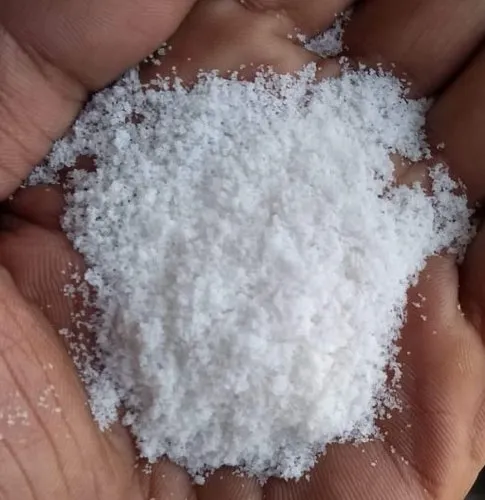
Potassium chloride (MOP, or muriate of potash) is the most widely used potash fertilizer in the world, supplying potassium – one of the three primary plant nutrients alongside nitrogen and phosphorus. GROUP BENUR GIDA SAN. TİC. LTD. ŞTİ. has traded chemicals and fertilizers since 1994 and supplies potassium chloride (KCl) in bulk to buyers across more than 90 countries, in both white and pink grades and in granular or crystal form. Whether you need MOP for crop nutrition or KCl brine for oilfield operations, we can quote current availability for your market.
The potassium chloride( KCL) also known as muriate of potash is as its name suggests a potash salt that is extremely important for literally all crops for it provides one the three essential micronutrients needed for the plants- potassium, along with the nitrogen and phosphorus.
Since many years we have been offering MOP to various countries and companies around the globe.
We can offer the following types of MOP to you along with our expertise and care:
-White MOP granular
-White MOP crystal
-Pink MOP granular
-Pink MOP crystal
Packing- we can do bulk, 25 kg, 50 kg, big bags.
We shall welcome your questions and enquiries.
We are PARTNERLY YOURS!
What is potassium chloride?
Potassium chloride is a potassium salt (chemical formula KCl) and the dominant source of potash (K2O) in agriculture. It is a white to pink-red crystalline solid, highly soluble in water, and typically supplied at a fertilizer grade of 60–62% K2O. The pink and white colours come from the ore source and refining route and are chemically equivalent for most uses. Because it delivers a high concentration of potassium at a competitive cost, MOP accounts for the large majority of the world’s potash consumption.
Applications and uses
Agriculture and crop nutrition
MOP is the primary way growers correct potassium deficiency and raise yield and crop quality. Potassium improves drought and disease resistance, strengthens stalks and root systems, and supports the movement of sugars and starches — important for grains, oilseeds, and fruit. It is applied to potassium-hungry crops such as soybean, maize, sugar beet, potato, oil palm, banana, and coffee, and is a workhorse fertilizer in the large agricultural markets of Latin America, Africa, and Asia. Because it contains chloride, MOP suits most field crops but is used more selectively on chloride-sensitive crops (e.g. tobacco, some fruit and vegetables), where sulphate of potash is often preferred instead.
Oilfield and industrial uses
Beyond agriculture, potassium chloride is used to make KCl brine (potassium chloride drilling and completion fluids), where it stabilises reactive clay and shale formations and helps protect the wellbore. KCl is also used in industrial processes, water treatment regeneration, and as a raw material for other potassium chemicals.
Explore More:
Potassium chloride supplier and export
GROUP BENUR GIDA SAN. TİC. LTD. ŞTİ. has been trading in chemicals and fertilizers since 1994, supplying over 90 countries across six continents—from Bulgaria to Australia, as well as throughout Europe, Africa, and the Americas. We work with reliable, vetted suppliers, can arrange independent third-party quality and quantity inspections, and guarantee adherence to delivery schedules as well as the quality and packaging of the goods. We operate under CFR, CIF, DDU, DDP, and CIP terms. This ensures the delivery of products meeting specifications, proper export documentation, and reliable shipment to your port.
Frequently asked questions
What is potassium chloride used for?
Mainly as a potash fertilizer (MOP) to supply potassium for crops such as soybean, maize, sugar beet and potato. It is also used to make KCl brine for oilfield drilling and completion fluids, and in various industrial processes.
What is the difference between MOP and muriate of potash?
They are the same product – potassium chloride (KCl). “MOP” is simply the abbreviation of “muriate of potash,” the traditional fertilizer-trade name.
Which markets do you export potassium chloride to?
We ship to over 90 countries across six continents, including the agricultural markets of Latin America, Africa and Asia. We work on CFR, CIF, DDU, DDP and CIP terms and handle export documentation.